This in-depth feature explores how Shanghai's modern women navigate between traditional Chinese values and global sophistication, creating a unique feminine identity that influences fashion, business and culture across Asia.
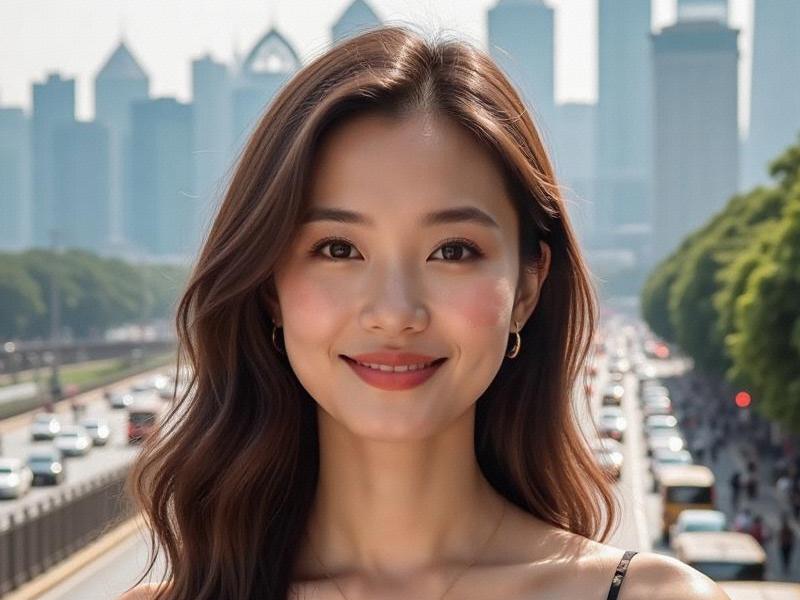
The morning routine of Shanghai entrepreneur Chen Xiaoli encapsulates the city's feminine paradox. At 6:30 AM in her Jing'an high-rise, she practices tai chi in lululemon yoga pants while listening to a Harvard Business Review podcast. By 8:00 AM, she's applying Dior foundation with one hand and reviewing blockchain contracts on her phone with the other. This seamless blending of ancient tradition and cutting-edge modernity defines what makes Shanghai women extraordinary in 21st century China.
Shanghai's history as China's gateway to the world has cultivated generations of women who embody "haipai wenhua" (海派文化) - the distinctive Shanghai blend of Chinese heritage and international outlook. Unlike Beijing's straightforward northern women or Hangzhou's delicate Jiangnan beauties, Shanghai women have developed a global reputation for being both fashion-forward and financially astute, romantic yet pragmatic.
The Shanghai beauty standard represents this cultural duality. Department stores along Huaihai Road report that 65% of luxury skincare customers combine French creams with Traditional Chinese Medicine ingredients. The trending "Shanghai Glow" makeup look pairs barely-there foundation (emphasizing natural beauty) with bold crimson lips echoing 1930s screen sirens. Hair salons note young professionals increasingly request "modern cheongsam cuts" - bobs that frame the face like classic qipao collars.
上海花千坊龙凤
Fashion in Shanghai exists at the intersection of Paris runways and Old Town tea houses. An afternoon stroll through Xintiandi reveals women expertly combining qipao-inspired dresses with Manolo Blahnik heels, or silk scarves with oversized Balmain blazers. Local designers like Uma Wang have gained international acclaim by reinterpreting Shanghainese motifs for contemporary wardrobes. The city's fashion week now rivals Tokyo's as Asia's trendsetting event.
What truly distinguishes Shanghai women is their intellectual ambition. As China's financial capital, the city nurtures highly educated female professionals. Nearly 48% of executive positions in Lujiazui are held by women - dwarfing the national average. Universities like Fudan produce female graduates dominating fields from AI research to sustainable architecture. The typical Shanghai woman debates blockchain applications as knowledgeably as xiaolongbao dipping techniques.
上海水磨外卖工作室
Social interactions reveal fascinating cultural layers. Weekend brunches at popular spots like Highline might feature discussions about NFT investments alongside comparisons of pu'er tea vintages. Book clubs analyze Elena Ferrante one month and Tang Dynasty poetry the next. This cultural bilingualism extends to language itself, with many effortlessly code-switching between Shanghainese, Mandarin and English.
Relationships showcase similar hybridity. While traditional matchmaking persists in People's Park, most young professionals prefer apps like Tantan. Modern Shanghai women seek partners who respect both their career ambitions and their grandmother's soup recipes. The city's "leftover women" phenomenon has sparked a counter-movement of proudly single, financially independent females who frequent members-only spaces like The Bund Women's Club.
爱上海419
Challenges remain complex. Skyrocketing housing prices delay marriage (average first marriage age: 30.2). Workplace discrimination persists despite legal protections. The pressure to maintain "perfect" appearances - slender figures, porcelain skin, impeccable style - creates psychological strain. Yet Gen-Z is pushing back, embracing body positivity while still valuing elegance, pursuing doctorates without abandoning tea ceremony.
As Shanghai cements its global city status, its women serve as cultural ambassadors. Through their unique fusion of tradition and innovation, they're redefining Chinese femininity - one cheongsam-wearing, smartphone-toting step at a time. From French Concession cafés to Lujiazui boardrooms, Shanghai's women continue demonstrating how to be thoroughly modern yet authentically Chinese in our interconnected world.